
Guides written for Connecticut houses
Connecticut homes see hard winters, wet springs and plenty of older pipe. Farmington alone has roughly a quarter of its houses built before 1960 and about 41 percent heated with oil, according to Census Bureau estimates. Advice that fits a new Arizona subdivision does not always fit a Unionville mill-village house.
Each guide explains the warning signs, what a homeowner can safely do and where a licensed plumber is the right call. They also show what drives cost, without made-up prices.
New guides are added over time, so check back when a season changes. Winter freeze-ups, spring flooding and summer drain trouble each get their own attention.
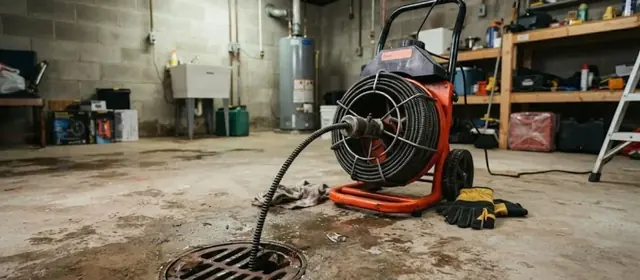
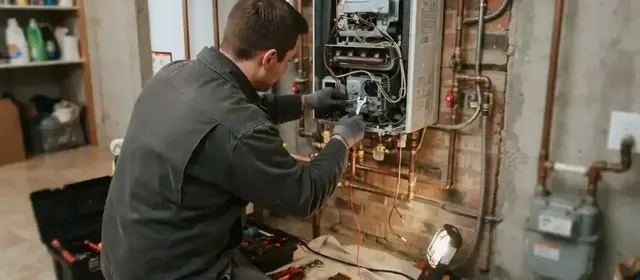
Many guides point to a related service, such as drain cleaning, leak detection or water heater repair. Some also cover local conditions in towns like West Hartford and Avon.
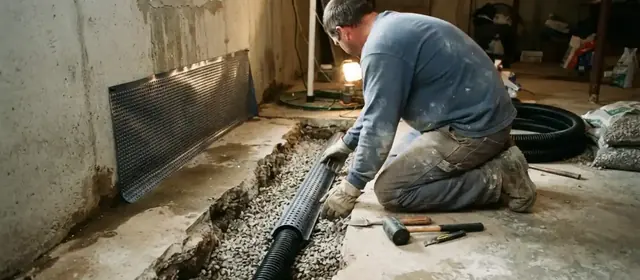
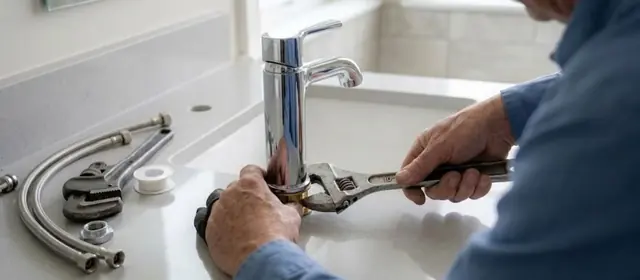
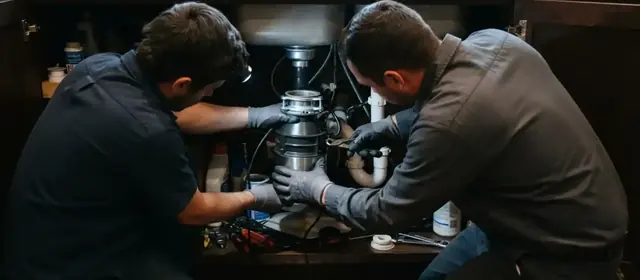
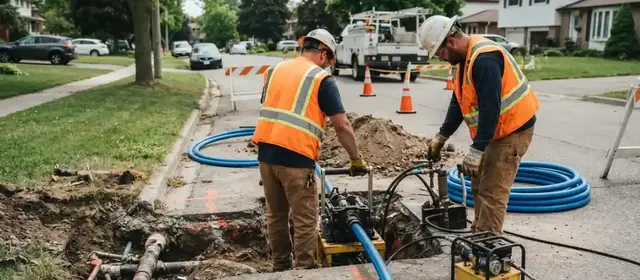
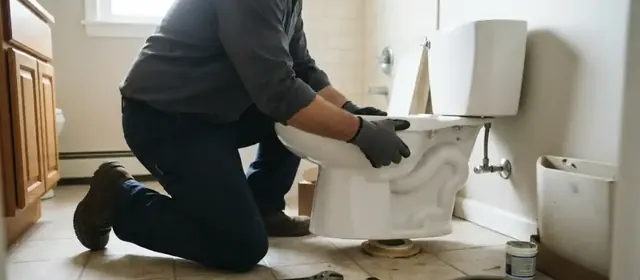
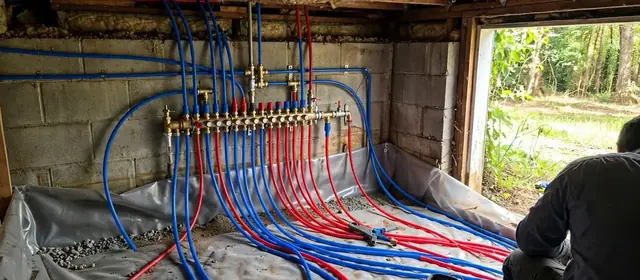
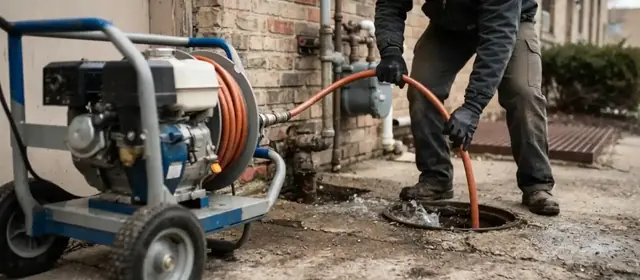
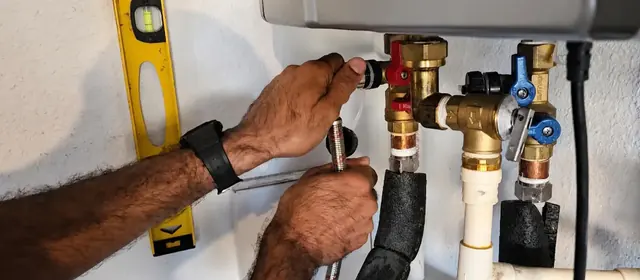
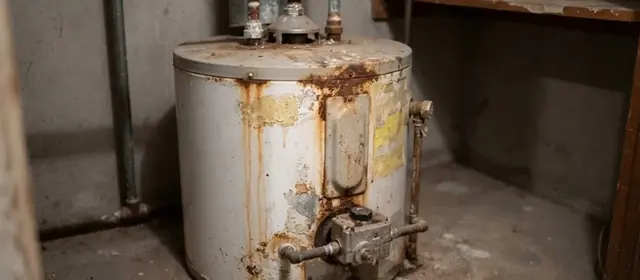
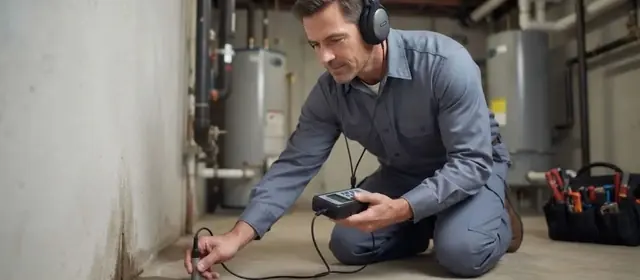
Reading about a problem you have right now?
Call the 24/7 line and describe it to dispatch. You get a clear price before work starts.
How to use these guides safely
A guide cannot see your pipes. Treat each one as background, not a diagnosis. If you smell gas, leave the building and call the gas utility or 911. If a water line is running, close the main valve. Do not attempt gas, main sewer or electrical work yourself.
For anything that needs a permit, ask your town building department. You can check a plumber's license on Connecticut eLicense, and our about page explains how.
Prefer to talk to a person?
Dispatch answers at any hour, and same-day appointments are available when a crew is free.